Seasonal Dog Walking in Antelope: Preparing Your Pet for Different Weather
DG
Dog walking is a beloved activity that both pets and their owners enjoy. However, in Antelope, the changing seasons can bring a variety of weather conditions that require some preparation. Understanding how to adjust your dog walking routine according to the seasons ensures your pet stays healthy and happy all year round.
Spring: Embrace the Bloom
Spring is a wonderful time to explore nature with your furry friend. The weather is often mild, making it ideal for longer walks. However, springtime also means flowers are blooming, and with them come potential allergens. Be aware of any signs of allergies in your dog, such as sneezing, itching, or red eyes.
Consider using a gentle wipe to clean your dog's paws after walks to remove pollen. Keep an eye out for insects that start appearing this season and ensure your pet is protected with the appropriate preventive treatments.
Summer: Beat the Heat
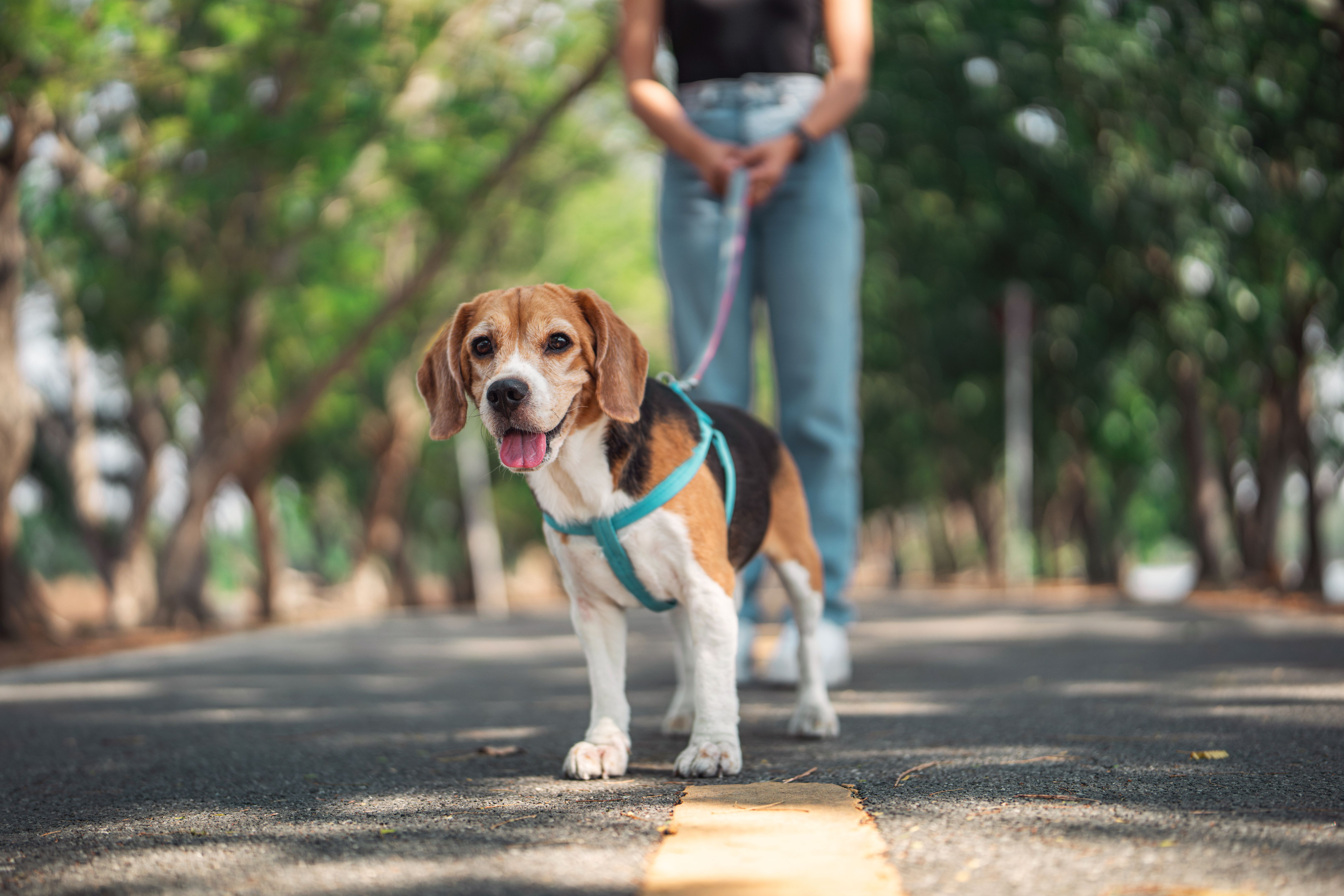
Summers in Antelope can get quite warm, so it's important to take precautions to prevent heatstroke. Walk your dog during the cooler parts of the day, such as early morning or late evening. Always carry water to keep your pet hydrated and take frequent breaks in the shade.
Check the pavement temperature before starting your walk. If it's too hot for your hand, it's too hot for your dog's paws. Consider investing in protective booties or walking on grass whenever possible.
Fall: Enjoy the Crisp Air
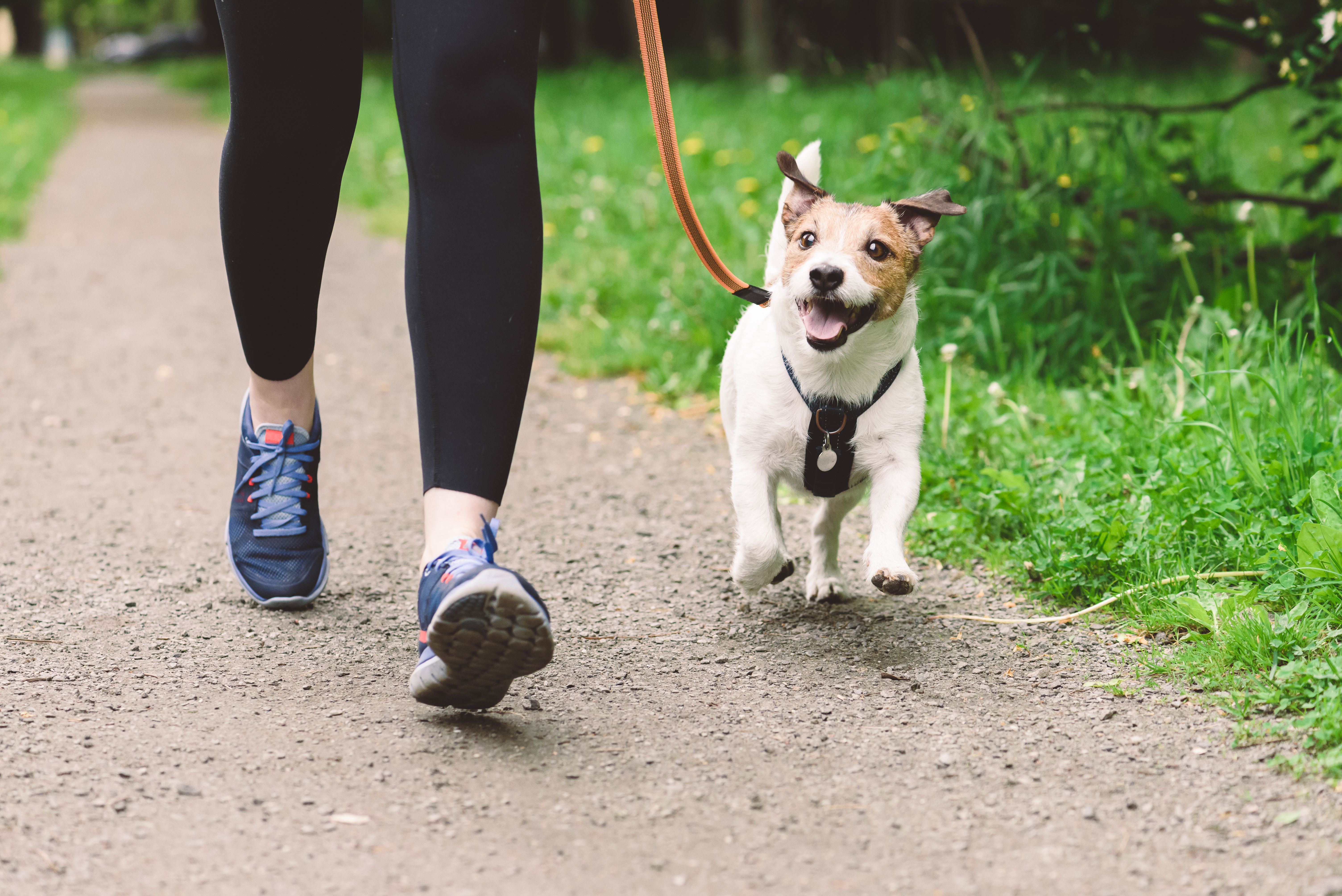
Fall is a perfect season for enjoying long walks with your dog. The cooler temperatures make it more comfortable for both of you. Take advantage of the beautiful foliage and explore new trails or parks.
As the days get shorter, consider using reflective gear for your dog and yourself to ensure visibility during evening walks. Keep an eye on any seasonal decorations or fallen leaves that may pose a hazard.
Winter: Brave the Cold
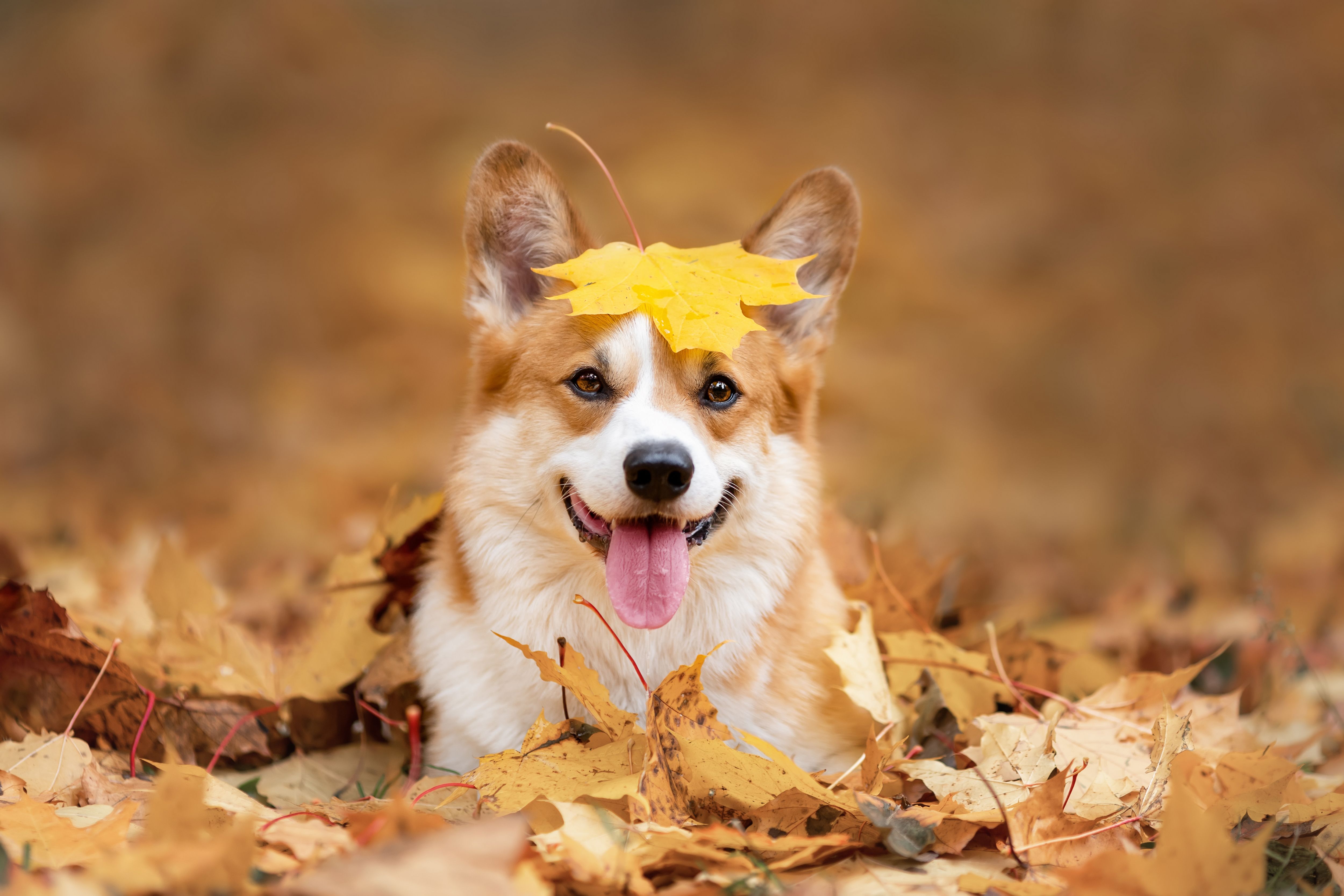
Winter in Antelope can bring chilly temperatures and occasional snowfall. It's crucial to keep your dog warm during these walks. Short-haired breeds might need a cozy coat, while all dogs can benefit from additional paw protection against ice and salt.
Limit the length of your walks if the weather is particularly harsh and always dry your dog off afterward to prevent them from becoming too cold. Be watchful of signs of discomfort, such as shivering or reluctance to continue walking.
General Tips for All Seasons
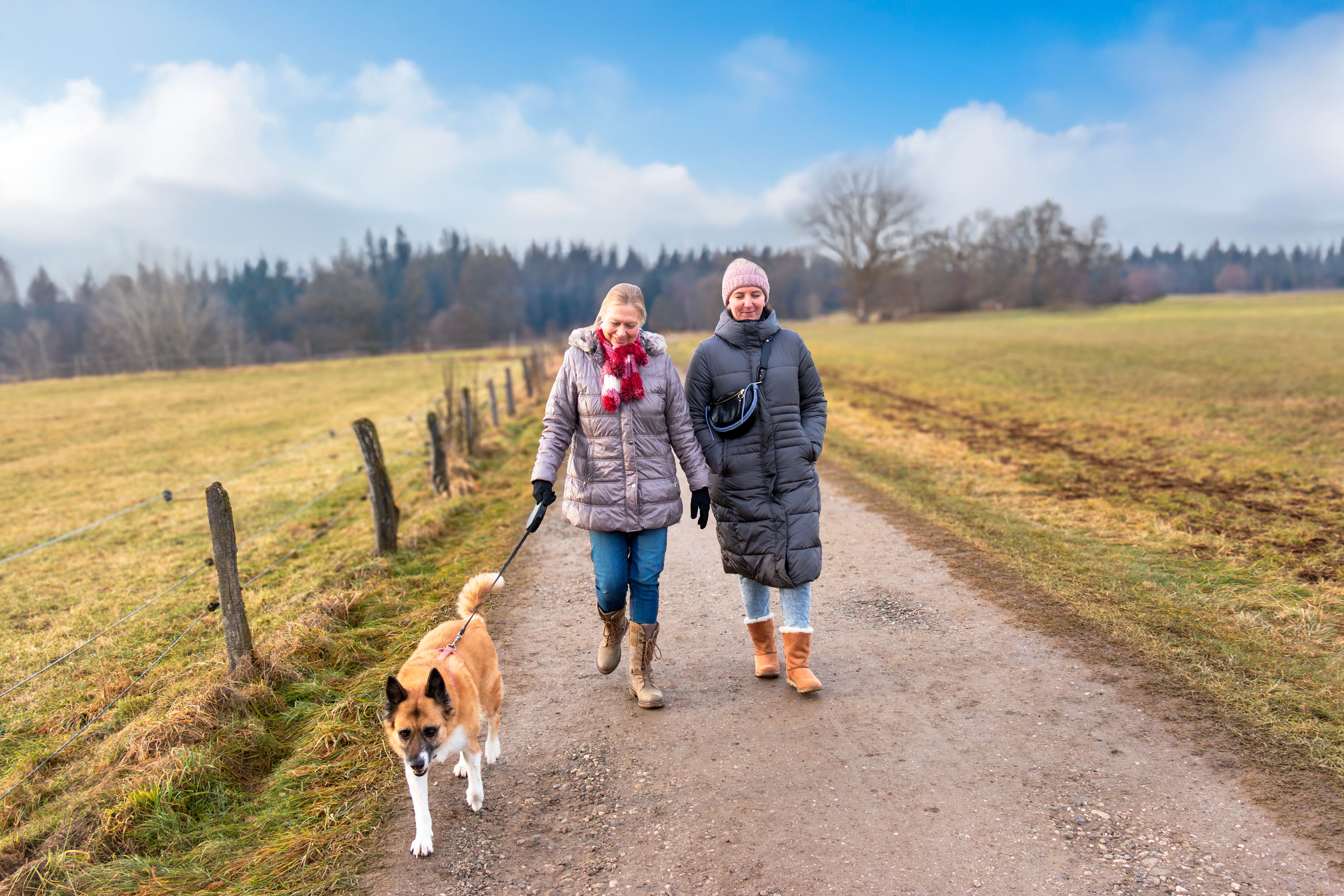
No matter the season, it's essential to maintain a consistent walking routine. Regular exercise helps keep your dog healthy and mentally stimulated. Always pay attention to your pet's behavior and adjust your walks accordingly.
Be mindful of any changes in your dog's energy levels or health, and consult a veterinarian if you notice anything unusual. By preparing for each season, you can ensure your dog enjoys their walks and stays safe throughout the year.