Preparing Your Pets for Antelope’s Seasonal Changes
DG
Understanding Antelope’s Seasonal Changes
As the seasons change in Antelope, pet owners must be vigilant in ensuring their furry friends are comfortable and safe. Each season brings its own set of challenges and opportunities, and by being prepared, you can help your pets thrive year-round. From temperature fluctuations to environmental shifts, understanding these changes is crucial.

Adapting to Temperature Variations
Temperature changes can significantly impact your pets' well-being. During summer, the heat can be intense, so it's essential to keep pets hydrated and avoid hot surfaces that can burn their paws. Consider early morning or late evening walks to prevent overheating.
In winter, the cold can be harsh, especially for pets with short coats. Providing a warm, comfortable space indoors and using pet-safe heating pads can make a big difference. Additionally, be mindful of salt and de-icers on sidewalks, which can irritate your pet's paws.
Managing Seasonal Allergies
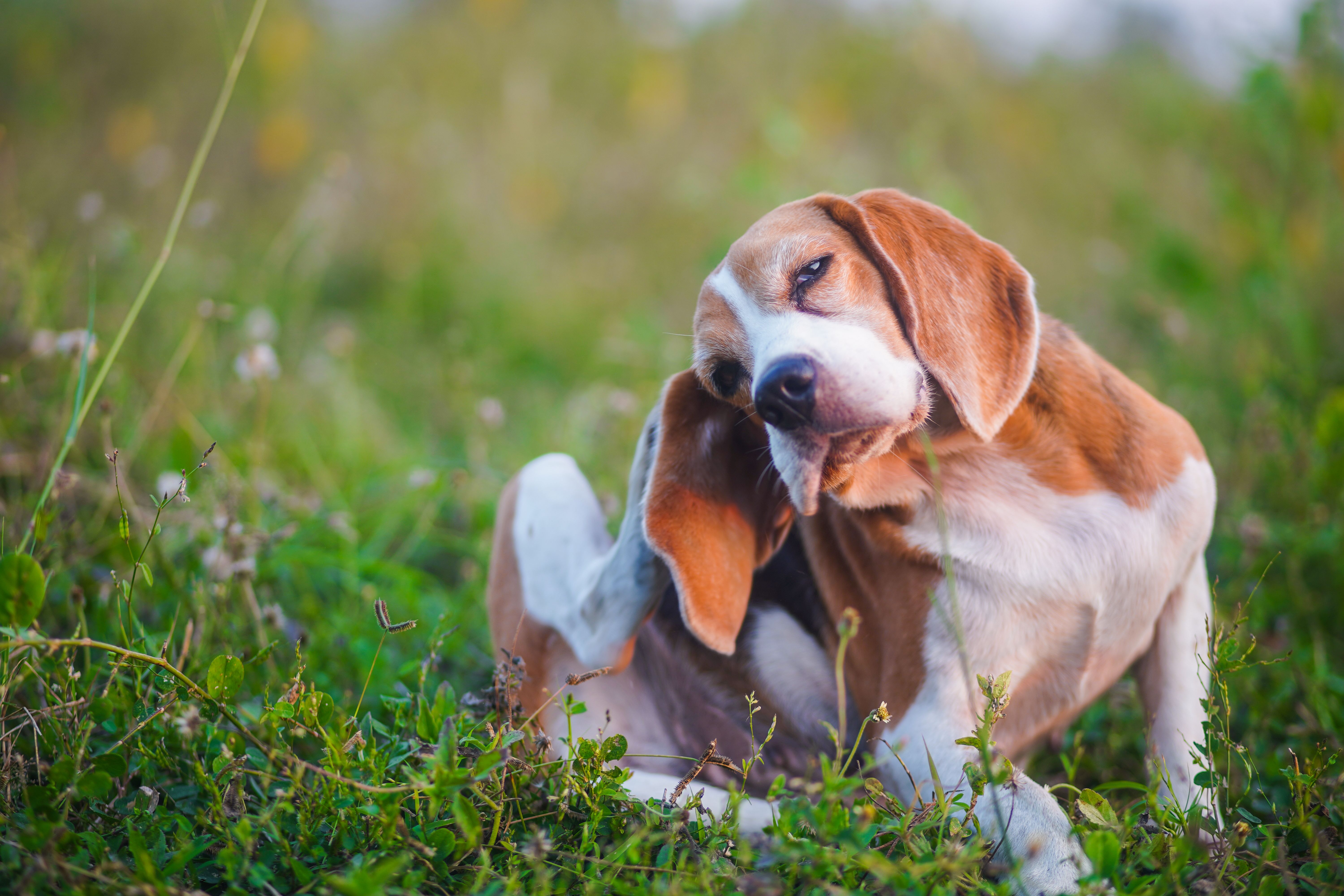
Just like humans, pets can suffer from seasonal allergies. Spring and fall are particularly challenging times, with pollen and other allergens in abundance. Watch for signs such as excessive scratching, licking, or sneezing. If you notice these symptoms, consult your veterinarian for appropriate treatments.
Adjusting Diet and Nutrition
With each season, your pet's dietary needs may change. In colder months, they may require more calories to maintain their energy levels, while in warmer months, a lighter diet might be appropriate. Always consult with your veterinarian to tailor a diet that suits your pet's specific needs throughout the year.
Incorporating seasonal fruits and vegetables can also be beneficial. For instance, pumpkin in fall can aid digestion, while watermelon in summer provides hydration.
Exercise and Outdoor Activities
Outdoor activities should be adjusted according to the season. In spring and fall, take advantage of the mild weather for longer play sessions or hikes. During extreme weather conditions in summer and winter, consider indoor activities or shorter, more frequent outings.

Grooming and Coat Care
Regular grooming is essential year-round but especially important during seasonal changes. In spring, shedding increases as pets lose their winter coats. Regular brushing can help manage shedding and keep your home clean. In winter, ensure your pets are dry after being outside to prevent skin issues.
Consider professional grooming services seasonally to maintain your pet's coat health and hygiene. A well-maintained coat acts as a natural insulator, helping regulate body temperature.
Safety Tips for Seasonal Hazards
Each season presents unique hazards that pet owners should be aware of. In fall, be cautious of mushrooms and other toxic plants. Winter brings the risk of antifreeze poisoning, which is fatal if ingested. Ensure all household chemicals are safely stored away from curious pets.
Spring and summer can introduce pests like ticks and fleas. Regularly check your pets and use veterinarian-approved prevention treatments to protect them.