Expert Advice on Winter Pet Safety: Protecting Your Furry Friends
DG
Understanding the Risks of Cold Weather
As temperatures drop, it's important to be aware of the potential dangers winter poses to your pets. Just like humans, animals can suffer from hypothermia and frostbite. Ensure your furry friends are well-protected against the cold by keeping them indoors as much as possible and providing them with warm bedding.
If your pet enjoys outdoor activities, it's crucial to monitor their time outside. Limit walks to shorter durations and watch for signs of discomfort, such as shivering or lifting paws off the ground. Remember, if it's too cold for you, it's too cold for your pet.
Proper Winter Attire
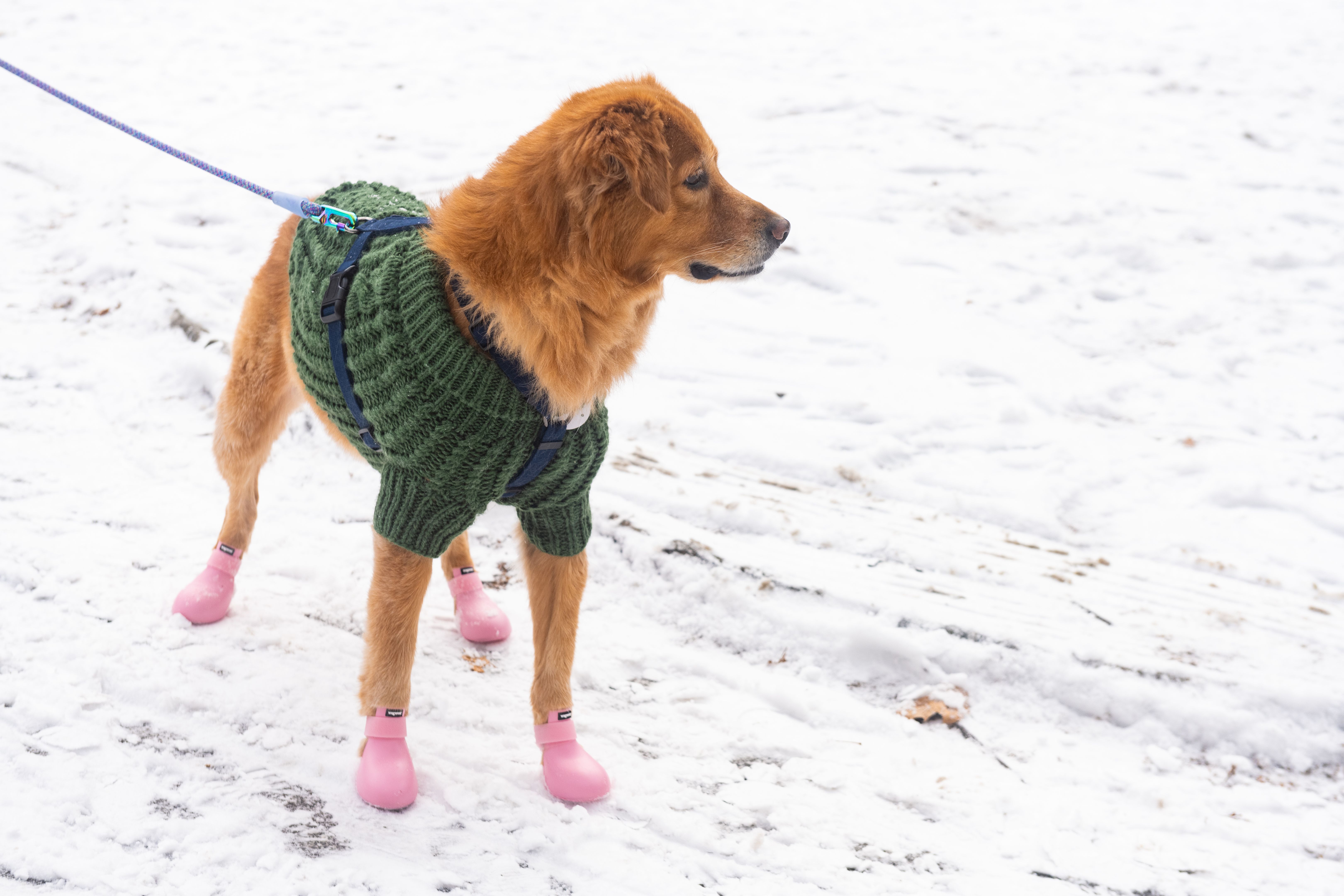
Some pets, especially those with short fur, may benefit from wearing a sweater or coat when venturing outdoors. This added layer can help retain body heat and keep them comfortable. Make sure the clothing fits well and doesn't restrict movement.
Additionally, consider using booties to protect your pet's paws from ice, snow, and harmful chemicals used to melt ice. If booties aren't an option, be sure to wipe their paws with a damp cloth after walks to remove any residue.
Nutritional Needs in Winter
During the colder months, your pet might require more calories to maintain body heat. Consult with your veterinarian to determine if an adjustment in their diet is necessary. Always provide access to fresh water, as dehydration can occur just as easily in winter as in summer.
Be mindful of the risks posed by antifreeze, which can be lethal if ingested. Clean up any spills immediately and store chemicals securely out of reach.
Creating a Safe Indoor Environment
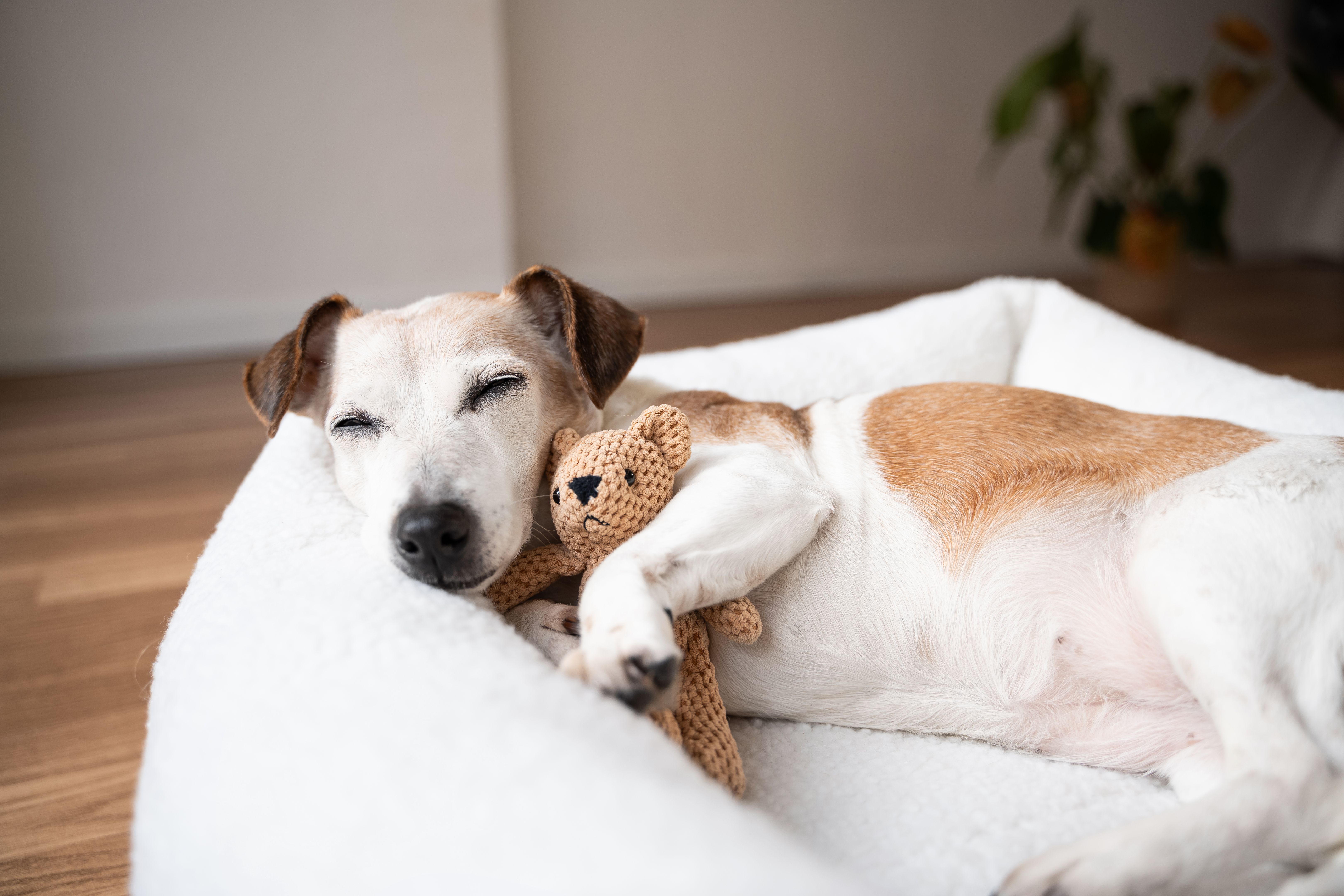
Ensure your home is a safe haven from the cold. Keep pets away from space heaters and fireplaces to avoid burns. Provide a warm, cozy bed in a draft-free area, and consider using a heated pet bed for extra comfort.
Maintaining Exercise and Mental Stimulation
While outdoor activity may be limited, it's essential to keep your pet active and engaged indoors. Interactive toys, puzzle feeders, and play sessions can help stimulate their mind and body. This is especially important for high-energy breeds that need regular exercise.
Set up a designated play area where your pet can safely run and explore. Regular exercise will help prevent weight gain and keep them happy during the long winter months.

Regular Health Check-Ups
Winter is a great time to schedule a veterinary check-up to ensure your pet is in good health. Regular exams can help detect any potential issues early on, keeping your pet healthy and happy.
Discuss any concerns you may have about your pet's winter care with your veterinarian. They can provide personalized advice and recommendations based on your pet's specific needs.
By following these expert tips, you can ensure your furry friends stay safe and comfortable throughout the winter season. Prioritize their well-being, and enjoy the cozy months together.