Expert Advice on Preparing Your Pet for Seasonal Changes
DG
Understanding Seasonal Changes
As the seasons change, it's essential to prepare your pet for the transition. Just like humans, pets can feel the effects of weather shifts, which can influence their behavior, health, and comfort. By understanding these changes, you can ensure your pet remains happy and healthy all year round.
Adjusting Diet and Nutrition
Seasonal changes can necessitate adjustments in your pet's diet. In colder months, pets may require more calories to maintain energy levels and body heat. Conversely, during warmer months, lighter meals might be more appropriate. Consult your veterinarian to establish the right diet plan for your pet as the seasons change.
It's important to keep an eye on your pet's weight and adjust portions accordingly. Maintaining a balanced diet will help prevent any seasonal weight gain or loss, which can impact overall health.
Managing Temperature Fluctuations
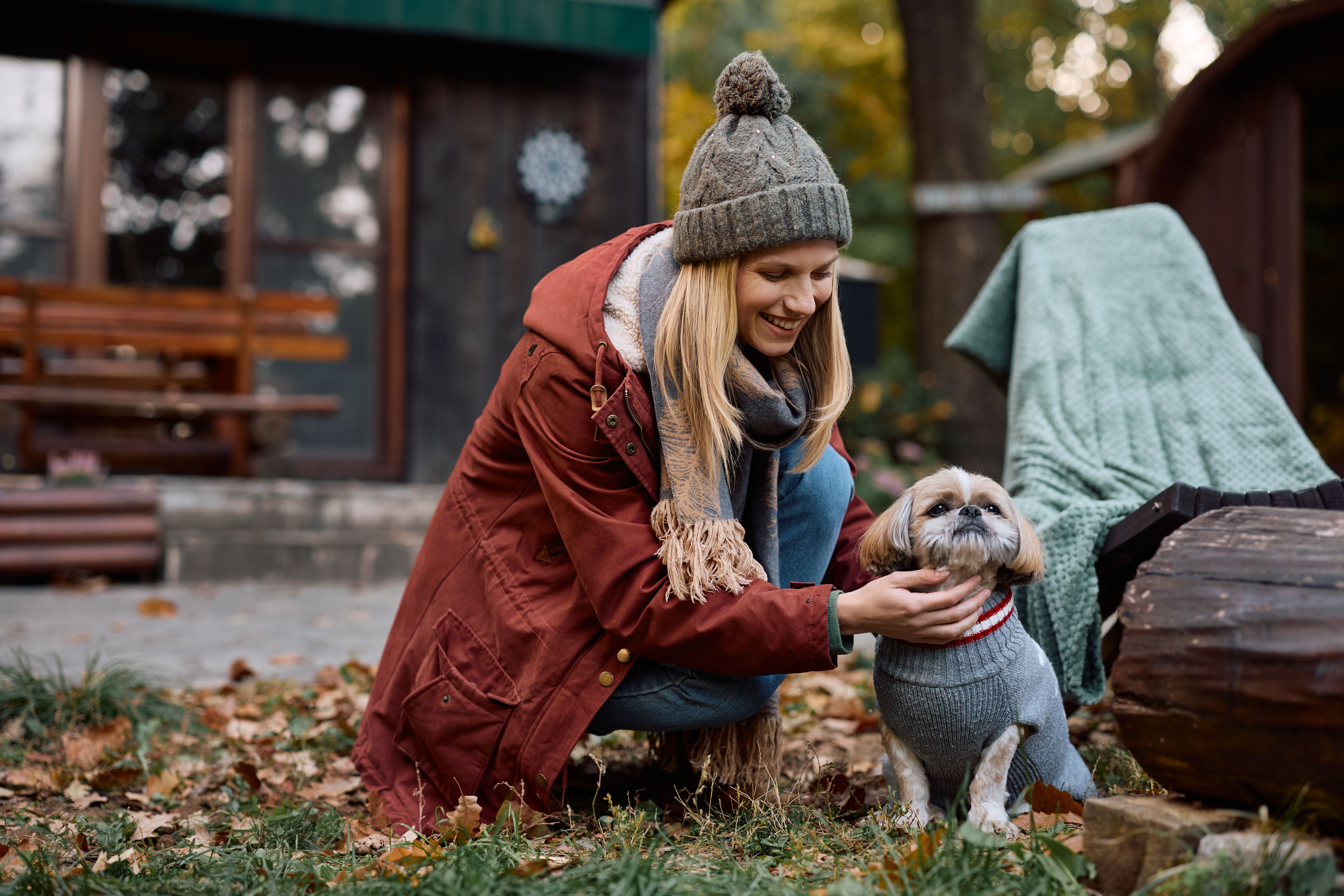
Pets are sensitive to temperature changes, and it's crucial to keep them comfortable. In winter, provide warm bedding and consider pet-friendly heating options. Ensure outdoor pets have adequate shelter to protect them from the cold. In summer, prioritize shade and fresh water to prevent overheating.

Indoor Environment Adjustments
For indoor pets, consider using humidifiers during dry winter months to prevent skin irritation. In summer, use fans or air conditioning to keep the living environment cool. Regularly check for any signs of discomfort, such as excessive panting or shivering.
Grooming and Coat Care
Seasonal grooming is essential to maintain your pet's coat health. In winter, longer fur can provide warmth, but regular brushing is necessary to prevent matting. In summer, consider trimming longer coats to help with heat management.
Additionally, monitor your pet's paws for any signs of damage caused by ice, salt, or hot pavement. Use pet-safe balms to protect and moisturize their pads.
Exercise and Activity Levels
Activity levels may vary with the seasons. In colder months, pets might be less inclined to go outside. Engage them with indoor games and exercises to keep them active. In warmer months, opt for early morning or late evening walks to avoid the midday heat.
Safety Precautions
Always ensure your pet is safe during outdoor activities. In winter, use reflective gear for visibility, and in summer, avoid hot surfaces that can burn paws. Be mindful of your pet's limits and adjust activities accordingly.

Monitoring Health and Behavior
Keep a close eye on any changes in your pet's behavior or health as seasons change. Look for signs of allergies, joint discomfort, or mood shifts. Regular veterinary check-ups can help catch any potential issues early and ensure your pet stays in top condition.
By taking these steps, you can help your pet navigate seasonal changes comfortably, ensuring they remain a cherished part of your family year-round.