DIY Winter Pet Care: Tips for Antelope Pet Owners
DG
Understanding Antelope Behavior in Winter
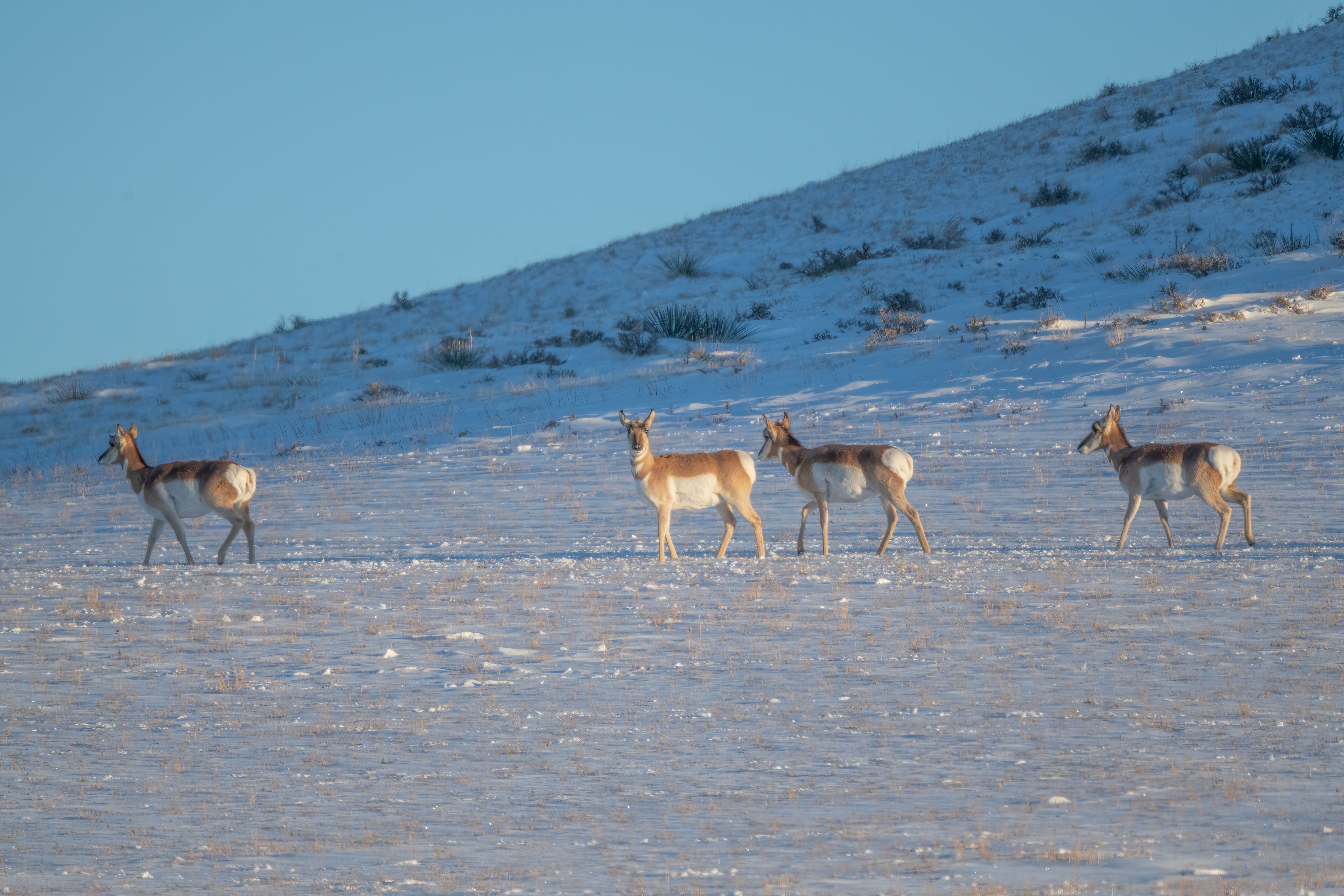
As winter approaches, antelope owners must prepare for the season's challenges. Antelopes, like many animals, have specific needs during colder months. Understanding their behavior is crucial to ensuring their well-being. Antelopes tend to be more sedentary in winter, conserving energy to maintain body heat.
It's essential to monitor their activity levels and ensure they are not overly lethargic. Regular health checks can help catch any potential issues early. Additionally, providing adequate shelter is crucial to protect them from the harsh elements.
Providing Proper Shelter
Antelopes require a well-insulated shelter to stay warm during winter. This shelter should be windproof and waterproof to offer maximum protection. It's important to check for drafts and leaks regularly, as these can quickly lower the temperature inside the shelter.
Consider using straw or hay as bedding material. These materials provide excellent insulation and are comfortable for the antelopes to rest on. Ensure the bedding is dry and clean, as dampness can lead to health issues.
Nutrition and Hydration
Maintaining proper nutrition is vital for antelopes during winter. Their diet should be rich in calories to help them generate body heat. Consult with a veterinarian to determine the best diet plan, as individual needs may vary.
- Increase the quantity of high-energy feeds.
- Provide vitamin and mineral supplements as recommended.
- Ensure access to fresh, unfrozen water at all times.

Exercise and Enrichment
Despite the cold, antelopes still need exercise to stay healthy. Encourage movement by placing food in different locations within their enclosure. This not only promotes physical activity but also provides mental stimulation.
Introduce safe toys or objects for them to interact with. These can include balls or branches that encourage natural behaviors. Always supervise to ensure the toys are safe and appropriate for their size and strength.
Health Monitoring
Regular health checks are essential during winter to catch any signs of illness early. Look for changes in appetite, behavior, and physical condition. Common issues during winter include respiratory problems and frostbite.
- Check their coat and skin for signs of frostbite.
- Monitor respiratory health by observing breathing patterns.
- Consult a veterinarian if you notice any unusual symptoms.
Conclusion
Winter care for antelopes involves understanding their specific needs and providing appropriate shelter, nutrition, and enrichment. By taking proactive measures, you can ensure your antelope remains healthy and comfortable throughout the colder months. Regular monitoring and adjustments to their care routine are key to a successful winter season.