Adopting a Pet: What to Expect and How to Prepare
DG
Understanding the Commitment
Adopting a pet is a rewarding experience, but it's important to understand the commitment involved. Pets require time, attention, and resources. Before bringing a new furry friend into your home, consider your lifestyle, living conditions, and the long-term responsibilities you’ll undertake.
Research the specific needs of the type of pet you’re interested in. Dogs, cats, and other animals have different requirements for space, exercise, and companionship. Make sure you are ready to meet these needs consistently.
Preparing Your Home
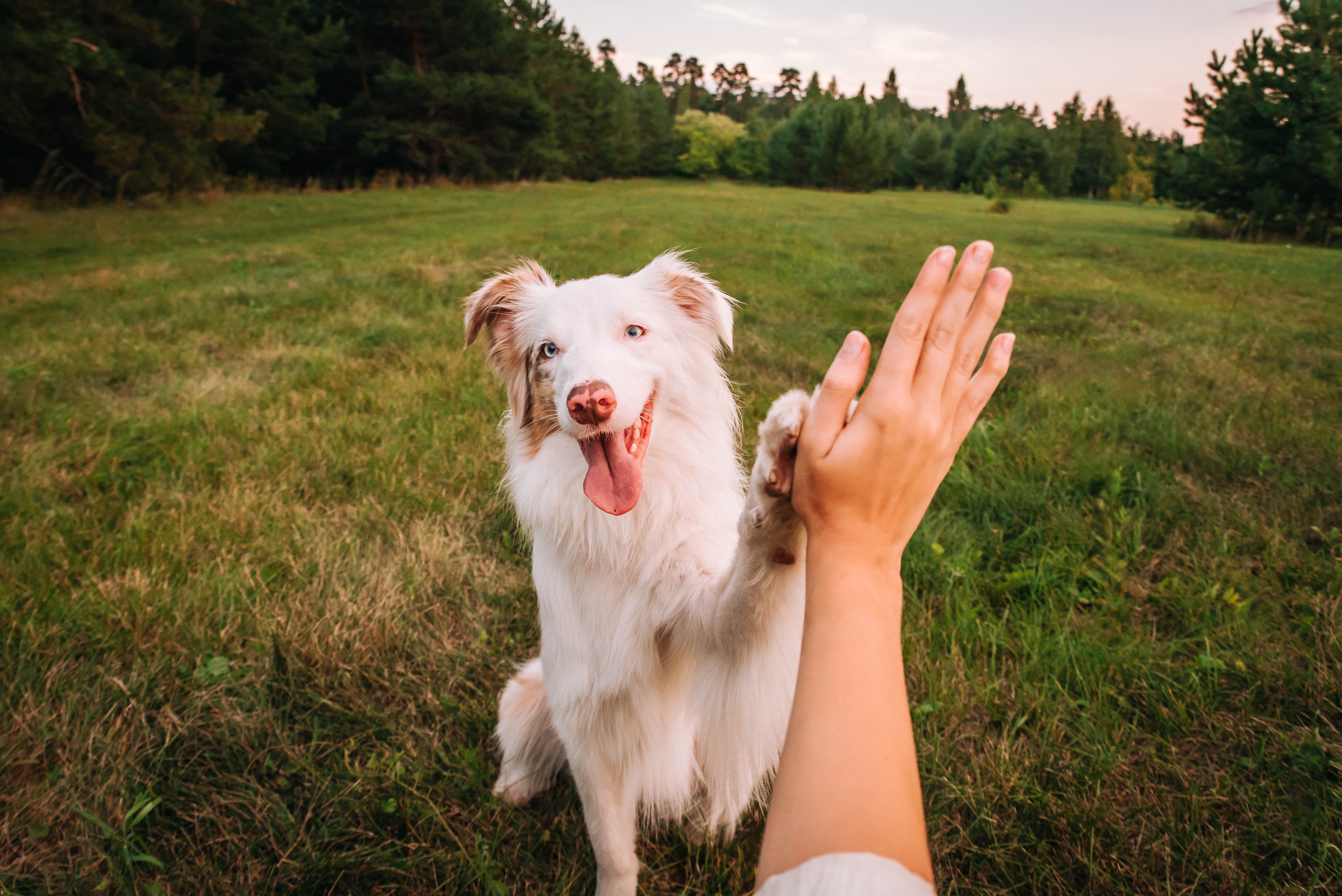
Once you’ve decided to adopt, it’s time to prepare your home. Create a safe and comfortable environment for your new pet. This includes setting up a designated area with a bed, food and water bowls, and toys. Ensure your home is pet-proofed by removing any hazardous items or plants.
Gathering Supplies
Before your pet arrives, gather all necessary supplies. This includes:
- Food and treats suitable for your pet's age and breed
- A collar and leash for dogs, or a carrier for cats
- Grooming tools such as brushes and nail clippers
- Identification tags with your contact information
The Adoption Process
Each shelter or rescue organization will have its own adoption process. Typically, this involves filling out an application, meeting with the pet, and potentially a home visit. Be prepared to answer questions about your lifestyle and experience with pets.

Once approved, you may need to pay an adoption fee, which often includes initial vaccinations and microchipping. This fee supports the shelter and helps ensure that your pet receives necessary veterinary care.
Settling In
Bringing your new pet home is an exciting moment, but it’s important to give them time to adjust. Allow them to explore their new environment at their own pace. Be patient as they learn the rules and routines of your household.
Building a Routine
Establishing a consistent routine will help your pet feel secure. Feed them at the same times each day and set a schedule for walks or playtime. This structure helps your pet know what to expect and reduces anxiety.
Training and Socialization
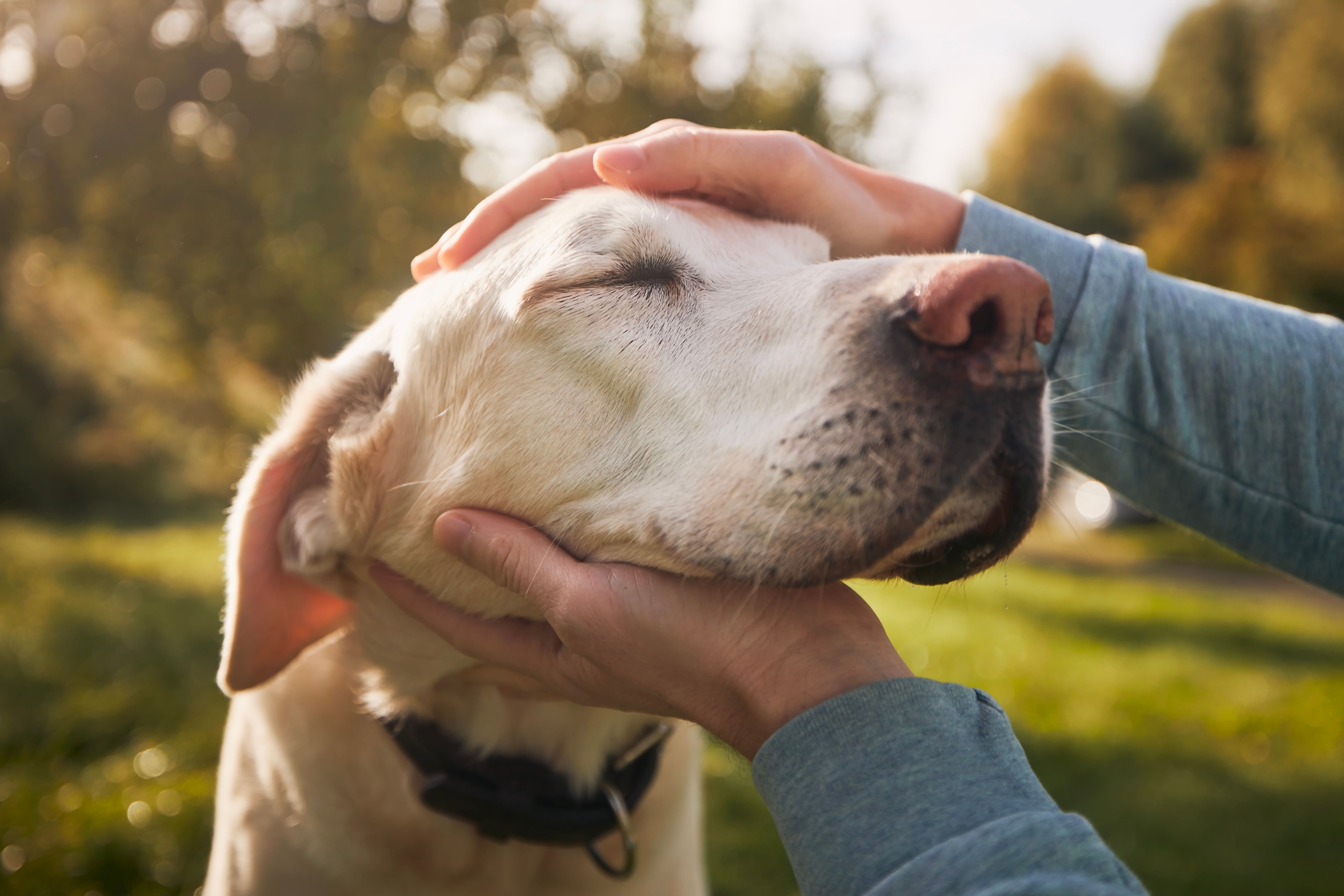
Training is an essential part of ensuring a harmonious relationship with your pet. Basic commands and house training are crucial for dogs, while cats may benefit from litter box training and social enrichment. Consider enrolling in a training class or seeking advice from a professional if needed.
Socialization is also key, especially for young pets. Introduce them to different environments, people, and other animals to help them become well-adjusted members of your family.
Ongoing Care
Caring for a pet is an ongoing commitment. Regular veterinary check-ups, a balanced diet, and exercise are essential for maintaining your pet’s health. Stay informed about their specific needs as they age, adjusting care routines accordingly.
Adopting a pet can bring immense joy and companionship. By preparing adequately and understanding the responsibilities involved, you can ensure a happy, healthy life for your new family member.